
Why Your Team Gets Defensive About Feedback
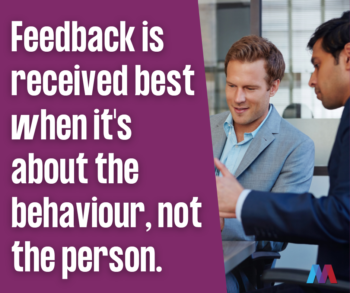
When your employee immediately gets defensive, that doesn’t necessarily mean your feedback was wrong. It’s an indicator that the way you delivered the message didn’t resonate well.
The good news is that your delivery is completely in your control.
What your delivery might be saying
Your tone, your words or your body language may have said more than you meant to.
That said, it’s rarely all on one side. It takes two to tango.
Where the message may have gone off track
Several things could have happened. Your tone may have come across as sharp. They may have heard disappointment in your voice and felt embarrassed or guilty. Maybe your face said something your words didn’t. (I’m an expressive person, so I know this one well!) Or, if you were in a stressful situation, it’s possible they picked up on some of that intensity when you communicated.
Why they might be getting defensive
Receiving feedback is a skill, and plenty of people are still building it. They might feel like you’re picking on them instead of helping them grow. They might feel embarrassed. Or they might have internally decided, “I’ll never be good enough for my boss.”
3 ways to give feedback to a defensive employee
You can’t control how another person thinks or reacts. You can control your side of the conversation.
- Check your tone and body language. Keep your voice neutral. Stay professional but relaxed.
- Plan your words. Decide what you’ll say ahead of time. Skip anything that sounds like judgment. Stick to the specific behaviour and what would help them succeed next time. “The report was two days late” is more constructive than “You’re unreliable.” Feedback lands best when it’s about the behaviour, not the person.
- Get clear on your intention. The goal is development, not criticism. Ask yourself what you want them to walk away with.
Don’t skip the conversation
It’s tempting to avoid feedback so you can avoid the awkwardness. But behaviour doesn’t change on its own.
Giving feedback is part of your job as a leader. Keep it objective and judgment-free, and you’ll lower their defensiveness and speed up their growth.
Thank you for sharing!
If you found this article helpful, please click the links below to share it on your favorite platform.